Setting Up a SwitchBot BLE Thermo-Hygrometer in Home Assistant with ESPHome bluetooth_proxy

Home Assistant With ESPhome Bluetooth Proxies

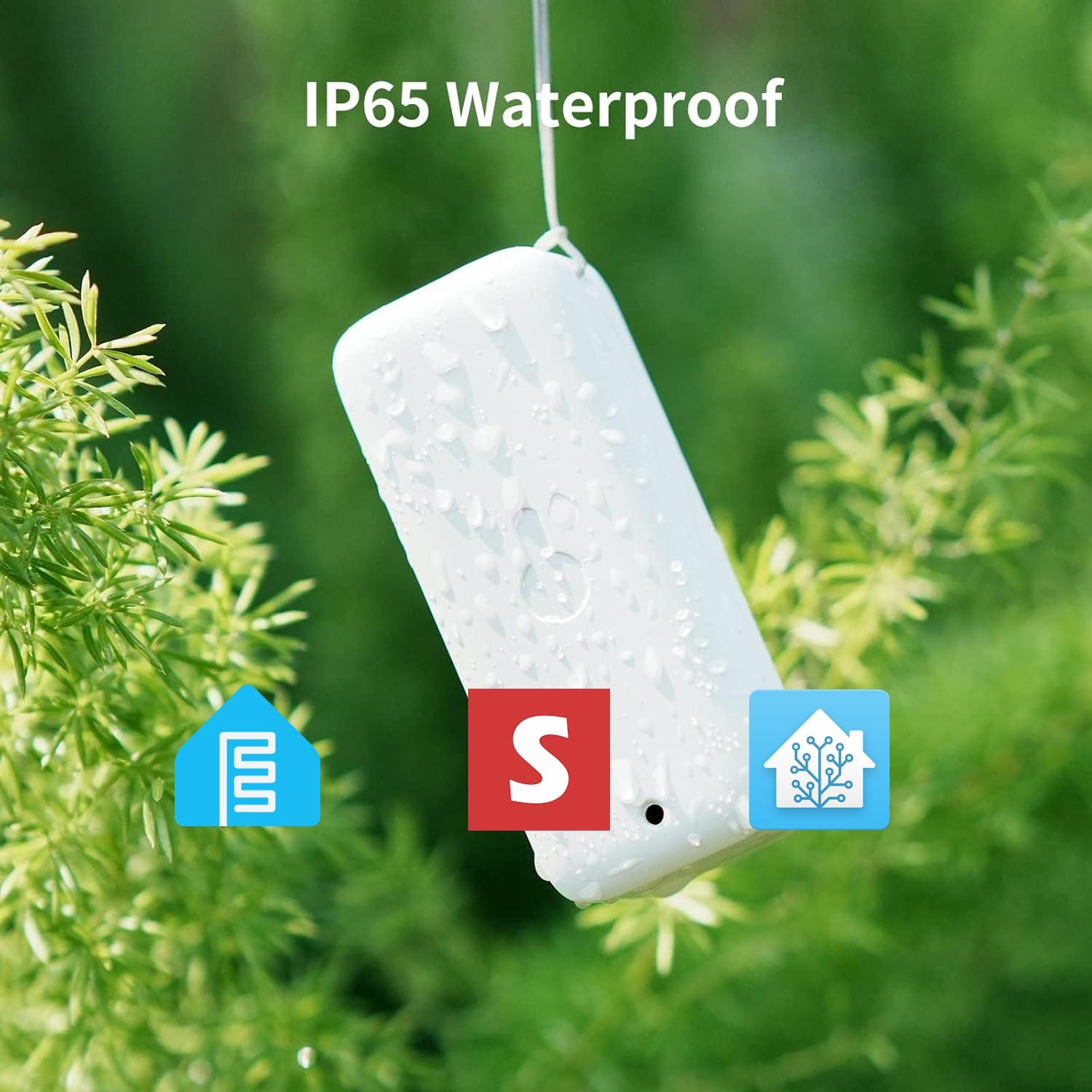
Setting Up a SwitchBot BLE Thermo-Hygrometer in Home Assistant with ESPHome bluetooth_proxy In this blog post, I’ll walk you through how I set up a SwitchBot BLE (Bluetooth Low Energy) Indoor/Outdoor Thermo-Hygrometer in Home Assistant (HA) using an ESP32 running ESPHome as a Bluetooth proxy. If you’re working with Home Assistant in a containerized environment (as I am), you might face challenges with Bluetooth connectivity, in particular, passing through a bluetooth adapter. This approach solves that elegantly and opens the door to other Bluetooth-based projects by providing extended bluetooth connectivity over a WiFi backbone. ...

January 8, 2025 · 5 min · Tom
Feeding My Cat With Home Assistant

Feeding My Cat With Home Assistant

Let’s face it, cats are demanding creatures. They expect their food to be served on time, and they’re not afraid to let you know when it’s late. But what if you trigger the feeding action to our Home Assistant dashboard? In this post, we’ll explore how to use Home Assistant to control a Tuya-compatible cat feeder, ensuring your feline friend never goes hungry. Get ready to unleash the power of automation and give your cat the royal treatment they deserve! ...

July 3, 2024 · 4 min · Tom Cocking
How to write Python scripts using llama3-8b and LM Studio

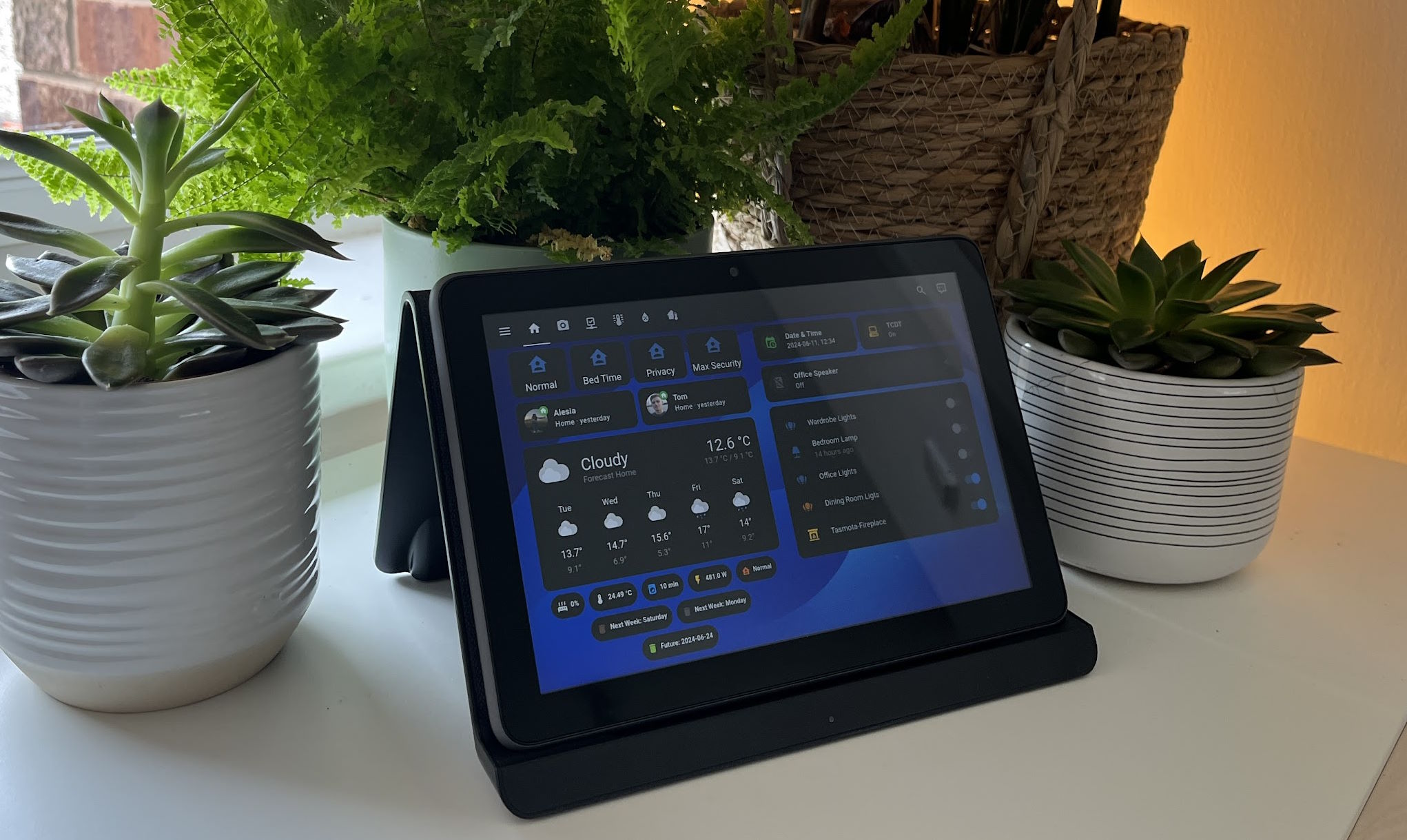
Using an Amazon FireHD8 as a Home Assistant Dashboard Control Panel

I have covered Home Assistant (HA) content a number of times in previous posts, and am I a strong advocate for this project. The home automation scene is a wash with consumer offerings, but no single silicone valley big hitter has managed to provide a fully interoperable solution; most certainly not an affordable one. Ultimately, everyone has there own idea of how home automation should work. Home Assistant doesn’t solve the problem of standards dilution, but it offers an extremely robust way to tie the wide variety of standards and products together. ...

June 11, 2024 · 9 min · Tom Cocking

Home Assistant HTTPS Certificates with Tailscale, Traefik and CoreDNS

In previous posts, I’ve explained how to use Tailscale’s MagicDNS and HTTPS certificate feature to generate a TLS cert for your Home Assistant install: Homeassistant Enable MagicDNS and HTTPS Certificates in Tailscale. That setup required you to reformat the TLS cert and copy it to the Home Assistant container… it wouldn’t be to much of a task to automate those actions, but fortunately there is now a superior method of applying and renewing a Tailscale cert for HASS (and many other self-hosted services). Let us dig in to that… ...

January 7, 2024 · 6 min · Tom

Setting up Wyoming Piper with Docker Compose

In previous posts I have been using Docker Compose to deploy the constituent components of a fully local Home Assistant voice assistant. In this blog post, we will guide you through setting up Wyoming Piper using Docker Compose. Piper is a fast, local neural text to speech system originally optimised for the Raspberry Pi 4. It supports many languages, and voice samples: https://rhasspy.github.io/piper-samples. Wyoming Piper is a speech recognition and natural language understanding system that can be used for voice control in various applications. It uses the Rhasspy framework and provides support for different languages and voices. ...

May 16, 2023 · 3 min · Tom

How to Use a Docker Compose File for Wyoming Whisper

In this blog post, we will go over how to use a Docker Compose file to deploy and configure Wyoming Whisper. Wyoming Whisper is an open-source, lightweight voice assistant designed to run on a Raspberry Pi or other low-powered device. The impetus for this compose defined container is to intergate with a Home Assistant 2023.5 container and ultimate have a fully local voice assistant. Whisper will provide our speech-to-text service and the Wyoming protocol is how it will be integrated with Home Assistant. ...

May 11, 2023 · 3 min · Tom

Homeassistant Enable MagicDNS and HTTPS Certificates in Tailscale

Tailscale is a virtual private network (VPN) service that allows secure remote access to resources across different networks. It offers a feature called MagicDNS that enables you to access your resources using a domain name instead of an IP address. Additionally, you can use HTTPS certificates to encrypt traffic between clients and servers, ensuring secure communication. In this tutorial, we’ll explain how to enable MagicDNS and HTTPS certificates in Tailscale and how to add a TLS certificate to Home Assistant using Tailscale. The most practical benifit for using Home Assistant within a Tailscale network is that it removes the requirement for network port forwarding and exposing services publicly, whilst still allowing your devices to access it from outside your local network. This blog post aims to give you the starting stes required to setup MagicDNS and HTTPS certificates in Tailscale, create a certificate on your home server and install that certificate in a Home Assistant docker container. ...

May 10, 2023 · 3 min · Tom